
New Scam Trends I'm Seeing in Liverpool Right Now


What's Changed Since Last Year
Scams have always been a numbers game, but the ones landing in Liverpool inboxes right now are sharper than anything from a couple of years back. AI tools have made it cheap and easy for criminals to write convincing messages, clone voices, and build fake websites that look identical to the real thing. The volume hasn't dropped either, it's just got harder to spot the fakes. If you want the fuller picture on how AI is changing things on both sides, I've written about that separately.
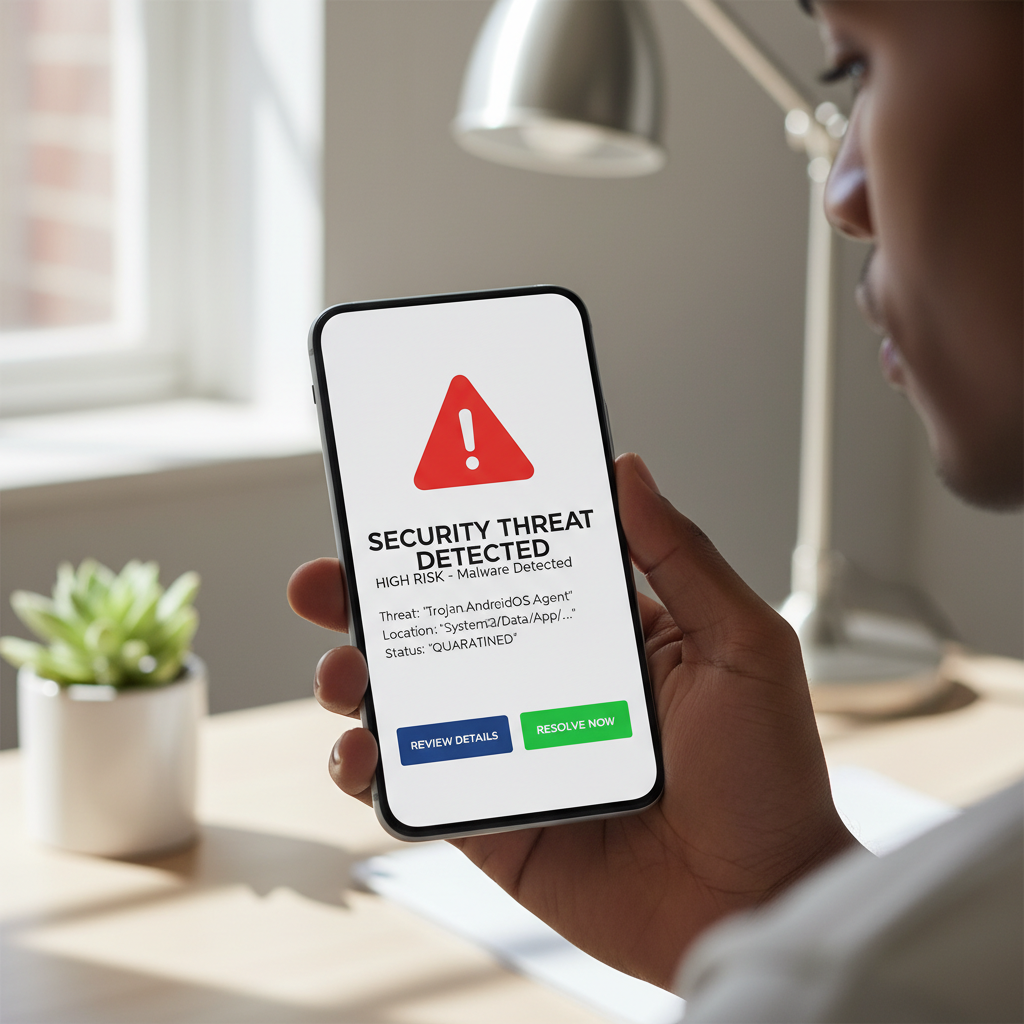
The Scams I'm Hearing About Most
Right now the ones cropping up again and again are delivery scams, a fake missed parcel text with a link to pay a small redelivery fee, impersonation scams, someone posing as your bank, HMRC, or even a family member in trouble, and investment scams promising unrealistic returns, often pushed through social media ads or DMs. None of these are new ideas, but the execution has got slicker, and the targeting has got more personal.
Why Older People Aren't the Only Target Anymore
There's a lingering assumption that scams mostly catch out older, less tech savvy people. That's out of date. I've seen students lose money to fake job offers, young professionals caught by convincing your account has been compromised texts, and small business owners targeted by invoice fraud that looks exactly like a message from a real supplier. Anyone with an email address and a phone is a target now.
Simple Habits That Still Work
The advice hasn't really changed even if the scams have. Slow down before clicking anything urgent. Verify unexpected requests for money or information through a separate channel, call the company back on a number you already know, don't reply to the text. Keep your accounts protected with two factor authentication and a proper password manager like NordPass, and if you're regularly on public wifi a service like NordVPN adds a useful layer of protection.
What to Do If You Spot One
If you come across a scam, whether it's aimed at you or you just spot it doing the rounds, report it. Action Fraud is the place to do that in the UK, and it genuinely helps build the picture that stops others falling for the same thing. And if you want a second opinion on anything that's landed in your inbox looking dodgy, my Safety Toolkit has the tools I recommend, or you can get in touch with me directly.