The Online Shopping Rules I Never Break at Christmas


Why the Christmas Rush Is a Scammer's Favourite Time of Year
Every December I see the same pattern. Scam reports spike the moment the Christmas adverts start, because scammers know most of us are shopping faster than usual and paying less attention to the small details. A rushed shopper is exactly what they're counting on. If you're hunting for a bargain late at night after a long day, you're far more likely to skip the checks you'd normally make. That's not a criticism, it's just how tiredness and urgency work together against us.
The Payment Rule I Never Bend
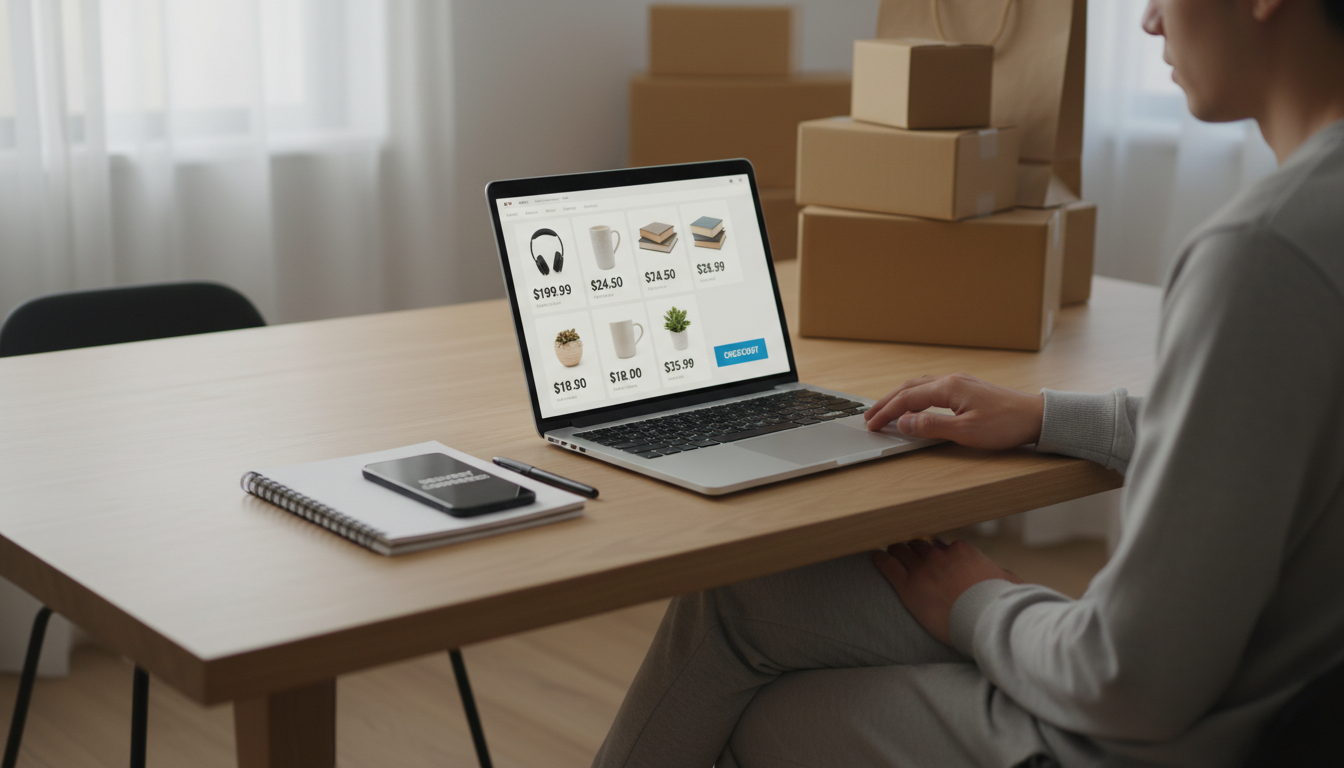
I have one rule I never break when I'm buying anything online: I never pay by bank transfer to a private seller or a shop I don't recognise. A card payment or PayPal gives you a way to get your money back if something goes wrong. A bank transfer doesn't, and once it's gone, it's gone. If a seller only accepts a direct transfer, that's usually the moment I close the tab.
Spotting a Fake Shop Before You Type Your Card Details
A fake shopping site can look identical to a real one these days, so I don't judge a site purely on how it looks. I check the web address for anything odd, look for a padlock next to the URL, and search the company name plus the word "reviews" in a separate tab rather than trusting the testimonials on their own homepage. It's the same instinct I use for spotting a phishing email, you're looking for the gap between what a business claims to be and what it actually is.
Deals That Are Too Good to Be True
If a well known brand is suddenly selling something at 80% off with no explanation, I treat that as a red flag rather than a lucky find. Genuine sales happen, but they rarely wipe that much off the price with no catch. I also avoid finishing a purchase over public WiFi in a cafe or shopping centre unless I'm running NordVPN, since an open network is an easy place for someone to intercept what you're typing.
My Christmas Shopping Checklist
My actual Christmas shopping checklist is short. Pay by card or PayPal, check the website is who it says it is, use a strong unique password stored in NordPass rather than reusing an old one, and turn on two factor authentication anywhere that holds your payment details. None of this takes long once it's a habit, and it's a lot less stressful than sorting out a fraudulent transaction in January. My Safety Toolkit has the password manager and VPN I use myself, and if you're ever unsure about a site or a deal, get in touch and I'll take a look before you hand over your card details.