How I Actually Shop Online Without Getting Scammed


Why I Still Get Nervous Typing In My Card Details
I've been doing this a long time and I still feel a small flicker of doubt every time I type my card number into a new website. That flicker is doing you a favour, if you're honest with yourself about it. Online shopping scams cost UK shoppers hundreds of millions of pounds a year, and Liverpool isn't spared from that, especially around big sale periods when everyone's guard drops because they're rushing to grab a bargain before it disappears. I've written before about the seasonal spike in scams around Christmas, and the same instincts apply whenever you're buying from somewhere unfamiliar, not just in December.
The Checks I Run Before I Buy From a New Site
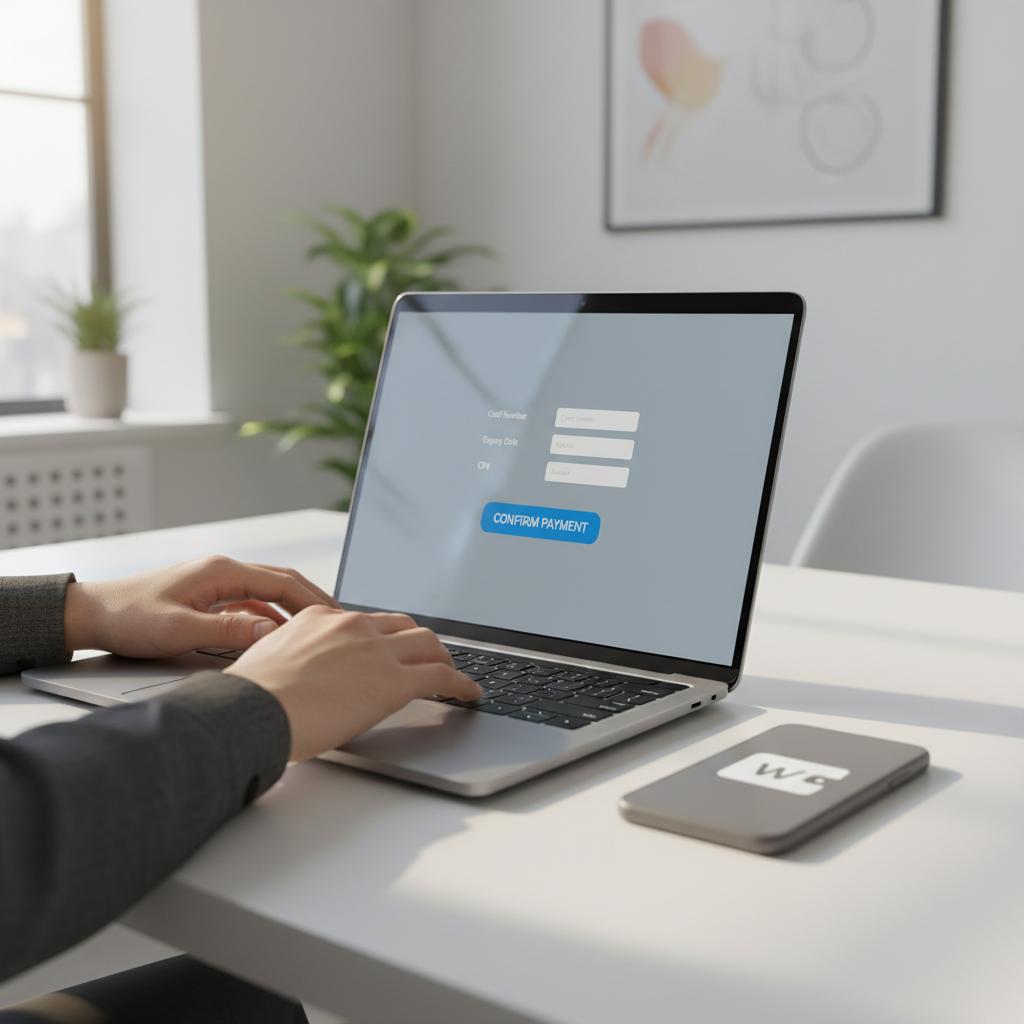
Before I hand over any card details to a shop I haven't used before, I run through a short checklist. I look for a proper company name, a UK address, and a contact page that isn't just a form disappearing into the void. I check the web address starts with https and has the little padlock, though I don't treat that as proof of anything on its own anymore, since scammers can get padlocks too. What I really trust is a quick search of the company name plus the word "reviews" or "scam", because genuine problems tend to show up fast in other people's experiences. If a site's only reviews are five stars and suspiciously generic, that's usually the real red flag, not the padlock.
How I Pay When I Want an Extra Layer of Protection
The payment method matters almost as much as the site itself. I always use a credit card rather than a debit card for anything over about £100, because Section 75 protection means the card company is jointly liable if something goes wrong, which is a real legal backstop that a debit card just doesn't give you. I never pay by bank transfer to an individual seller I don't know, no matter how convincing the story is, because once that money's gone, it's gone. I also use a password manager like NordPass for every shopping account I create, so a breach at one retailer doesn't hand someone the keys to my email or my banking too.
The Deals That Are Almost Always a Trap
If a deal looks too good, it usually is, and I say that as someone who still gets tempted by a "70% off, today only" banner more than I'd like to admit. Fake ads for big-brand trainers, electronics, and garden furniture are everywhere on social media at the moment, often running from accounts that were created a few weeks ago and have almost no followers. I check how long a page has existed and whether it has genuine engagement before I trust an ad, and if I'm shopping on public wifi in a Liverpool café, I make sure I'm connected through a VPN like NordVPN first, since public networks are exactly the kind of place card details get intercepted.
What I Do If a Purchase Goes Wrong
If something does go wrong, speed matters. I contact my card provider straight away to flag the transaction and start a dispute, keep every email, screenshot, and order confirmation as evidence, and report the scam to Action Fraud so it's on record and can be linked to other reports about the same seller. Two factor authentication on my accounts means that even if my shopping details end up in a breach somewhere, it's much harder for anyone to actually get into my accounts and cause more damage. If you want help going through your own setup before your next big shop, my Safety Toolkit is a good starting point, or you can get in touch and I'll talk you through it.