The Real Reasons I Tell People to Use a VPN


The Big One: Nobody Else Gets to See What You're Doing
Every time you go online without a VPN, your internet provider can see exactly which sites you're visiting, when, and for how long. So can anyone else sharing the same network, whether that's your landlord's router or the free wifi at your local cafe. A VPN encrypts your connection and routes it through a private server, so all anyone watching sees is scrambled traffic going somewhere else entirely. It's not about having something to hide. It's about not handing your browsing history to a company whose business model is selling data. It's a small habit that costs almost nothing and quietly closes off one of the easiest ways your everyday activity gets collected and sold on.
Public Wifi Is Where the Real Risk Lives
I get asked about VPNs most often in the context of public wifi, and for good reason. Open networks in cafes, airports, and hotels rarely have proper encryption, which means anyone with basic tools sitting nearby can potentially intercept what you're sending, including passwords and card details if you're not careful. It's the same environment where a well timed phishing link does the most damage, because people's guard tends to drop when they're just trying to check email between meetings. A VPN closes that gap by encrypting your traffic before it ever touches the shared network. I switch mine on automatically the moment my phone joins any network I don't fully trust, rather than remembering to do it after I'm already connected.
It Stops Companies Building a Profile on You
Your IP address says more about you than you'd think. Sites and advertisers use it to track your location, link your activity across different services, and build a profile they can sell on or use to target you. A VPN masks your real IP address behind the VPN provider's own, which makes that kind of tracking far harder to pull off. It won't make you invisible online, but it takes away one of the easiest tools companies use to follow you around the internet. It's one of the simplest ways to make yourself a slightly harder, less profitable target without changing anything else about how you actually use the internet.
What a VPN Doesn't Protect You From
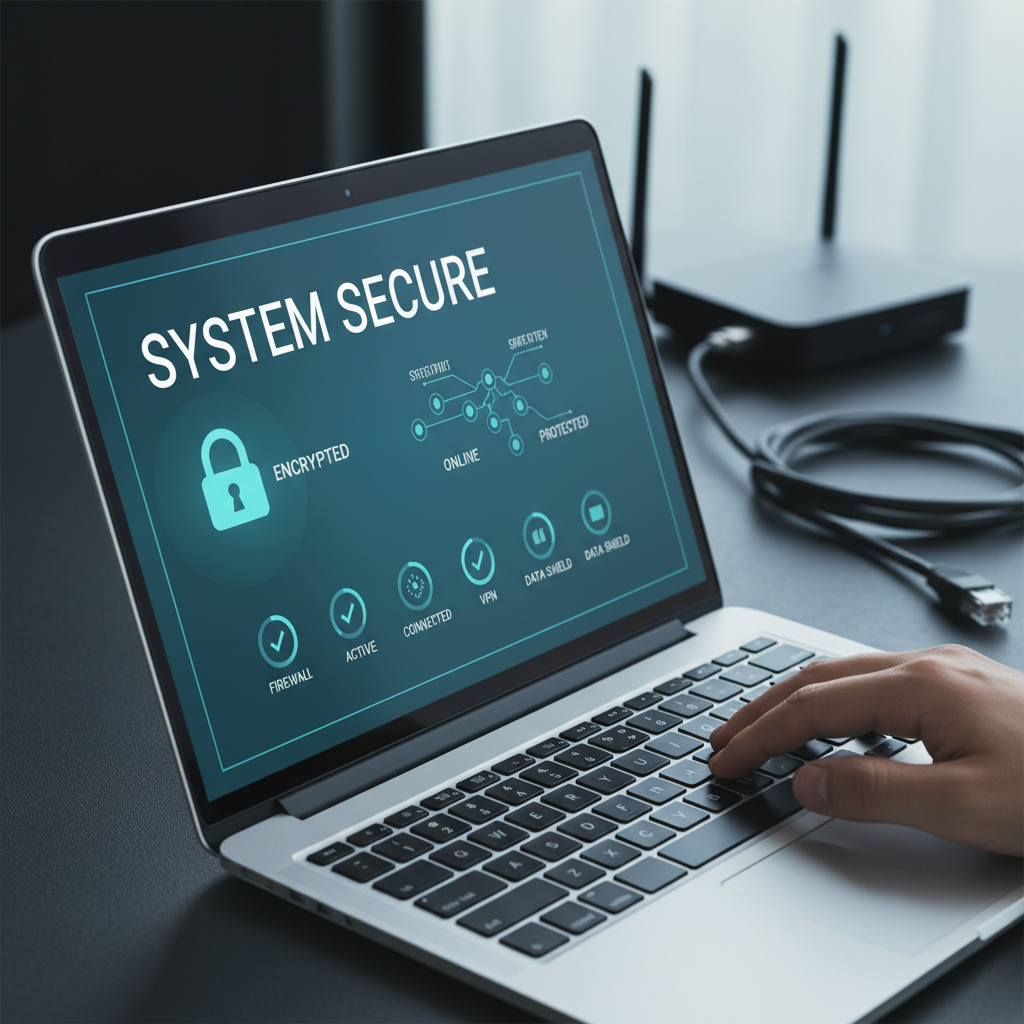
A VPN is brilliant at hiding your traffic from your provider and anyone else on the network, but it won't stop you clicking a malicious link or handing your password to a fake login page. It doesn't scan for malware, and it can't tell a genuine email from a convincing scam. Treat it as one layer in a stack, not a replacement for good judgement or the other tools doing a different job.
The Small Perks Nobody Mentions
Beyond privacy, there are a few practical upsides people don't expect. Flight and hotel prices sometimes shift depending on where a booking site thinks you're browsing from, so switching your virtual location can occasionally save you money. It also means you're not stuck locked out of services you already pay for just because you're travelling. None of these are the main reason to use a VPN, but they're a nice bonus once you've already got one running. Worth knowing the reverse can happen too, signing in from an unexpected country can occasionally trigger extra security checks on banking or streaming accounts, so a VPN isn't always completely invisible to the services you're using.
Why I Steer People Away From Free VPNs
Running a VPN service costs money, encrypting and routing traffic through servers around the world isn't free, so when a VPN costs nothing, the business model is usually your data. Some free providers log your activity and sell it on, which defeats the entire point of using one in the first place, and a few have been caught doing far worse. If budget is genuinely tight, a reputable paid VPN with a clear no logs policy is worth prioritising over almost any other security spend, it's one of the cheaper tools that actually does what it promises.
Is It Actually Worth It?
For the cost of a coffee a month, yes, I think it is, especially if you work from cafes, travel often, or simply don't like the idea of your browsing habits being logged and sold. A VPN isn't a silver bullet on its own though. I'd always pair it with a decent password manager and two factor authentication on anything that matters, since those cover the gaps a VPN doesn't touch. If you want to see exactly what I use, my Safety Toolkit page has my NordVPN recommendation along with everything else I run day to day. And if you're weighing it up and want a second opinion, get in touch and I'll point you in the right direction. Once it's set up, you won't notice it's running, which is exactly the point, good security should work quietly in the background rather than getting in your way.