The Red Flags I Check For in Every Kind of Scam


The Red Flags I Check For No Matter What Kind of Scam I'm Looking At
People often ask me to list every scam doing the rounds right now, as if memorising the current crop is what actually keeps you safe. It isn't, because the specific story changes constantly, a courier text this month, a fake investment opportunity the next, a cloned voice call after that. What doesn't change nearly as much is the small set of underlying signals that show up across almost all of them. I've stopped trying to keep a mental list of every scam format and started checking for these five things instead, whatever the message claims to be about.
Urgency Is Almost Always the First Tell
Genuine organisations very rarely need you to act in the next ten minutes. Banks, delivery companies, government departments, they all have processes that unfold over hours or days, not immediate deadlines enforced through a single text or call. Scams lean on urgency specifically because it short-circuits the part of your brain that would otherwise stop and check things properly. The moment I notice a message pushing me to act right now, verify immediately, respond within the hour or lose the opportunity, that urgency itself becomes the red flag, regardless of what the message is actually asking me to do. I've trained myself to treat manufactured urgency as information rather than instruction, it's telling me to slow down, not speed up.
A Request to Move Off the Original Platform
A huge number of scams involve steering you away from wherever the conversation started, off a marketplace's messaging system and onto WhatsApp, off a company's official app and onto a phone call, off a social platform and onto email. Legitimate businesses generally want you to stay inside their own systems, partly for their own record-keeping and partly because it's safer for everyone. When something tries to move the conversation somewhere less monitored, less traceable, or somewhere I can't easily verify who I'm actually talking to, that's a deliberate choice on the scammer's part, not an innocent inconvenience. I've started treating any unprompted request to switch platforms mid-conversation as a reason to pause and reconsider the whole interaction, not just the platform switch itself.
Being Asked to Pay in a Way That Can't Be Reversed
This is possibly the single most reliable signal I've found, and it cuts across almost every scam category I've come across. Bank transfers, gift cards, cryptocurrency, these payment methods all share one property that makes them attractive to scammers specifically, once the money's gone, it's essentially gone. Legitimate transactions overwhelmingly happen through cards or established payment processors that come with dispute processes and buyer protections built in. If I'm ever asked to pay through a method that offers no way back once I've sent it, particularly gift cards, which have become a strangely common request across totally unrelated scam types, I treat that as close to a guarantee that something's wrong. I've written separately about the checkout-specific red flags I look for when I'm actually buying something, which goes into more detail on the payment side specifically.
Details That Are Almost Right But Not Quite
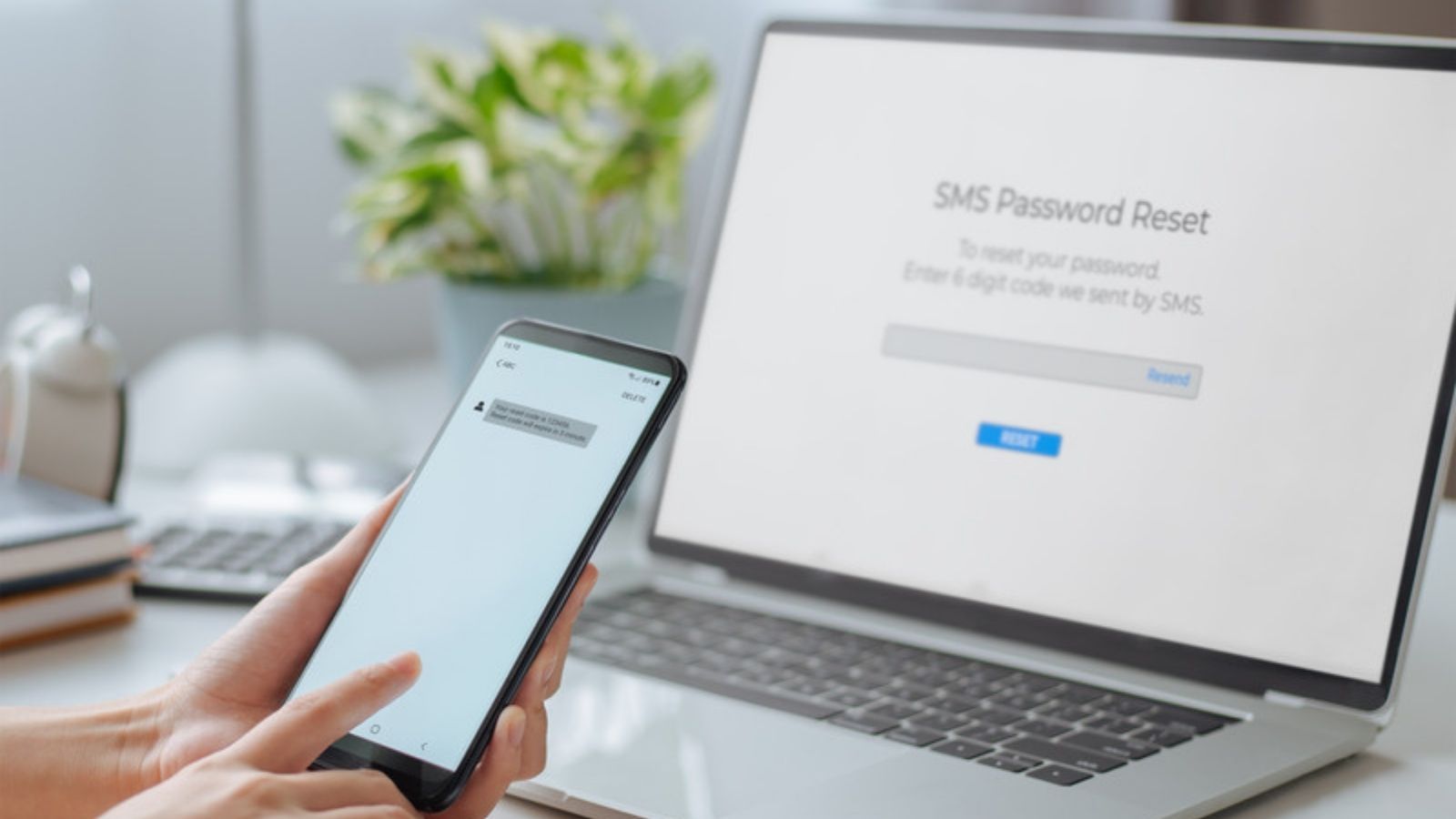
Scammers have gotten considerably better at getting the broad strokes right, a bank's actual logo, a courier company's actual branding, even a colleague's actual name. Where things still tend to slip is in the specifics, a sender address that's close to but not quite the real domain, a reference number that doesn't match the format your actual bank uses, a name spelled slightly differently than the person you know spells it. I've stopped assuming that a professional-looking message is automatically legitimate, because professional-looking is now trivially easy to fake. What I actually check is whether the small, specific details line up with what I already know to be true, not whether the overall impression feels convincing. A scam can look completely polished and still fall apart the moment you check one concrete detail against something you can independently verify.
Why I Still Pause Even When Something Passes Every Check
Here's the part I think matters most and gets skipped most often, even when a message passes all four checks above, I still give myself a moment before acting on anything involving money, personal details, or account access. Scammers adapt to whatever checklist becomes common knowledge, which means a list like this one has a shelf life, and something sophisticated enough might eventually get past all five signals I've just described. The actual habit that protects me isn't the checklist itself, it's the pause it forces, the deliberate gap between receiving a message and acting on it, during which I can verify independently, contact the organisation through a channel I looked up myself rather than one they provided, or simply sleep on it. I've found that pause does more work than any individual red flag, because it gives every other check a chance to actually happen instead of getting skipped under pressure.
None of these signals are complicated, and none of them require any technical knowledge to spot, urgency that doesn't match how the real organisation actually operates, a push to move off the original platform, a payment method that can't be reversed, details that are almost but not quite right, and giving myself a pause before acting regardless of how convincing everything else seems. I'd rather rely on five patterns that hold up across almost any scam than try to memorise the specific story doing the rounds this week, because the story will have changed again by the time I've learned it. I also keep NordPass running across every account I have, so if one of these checks somehow fails, a single compromised login doesn't cascade into everything else I own. If you want a second, independent source on what to watch for, Action Fraud tracks current scam patterns across the UK, and my free Safety Toolkit covers the rest of what I'd recommend if you want to get your own defences properly in order.
I also share printable checklists and quick safety tips as pins, so follow me on Pinterest too.